
Fresh kratom is always the best. There’s nothing quite like the smooth, fresh taste of kratom at its peak. To make sure you’re always getting the most out of your kratom experience, it’s important to know proper storage techniques to extend the longevity of your product.
Whether you’re buying bulk powders or pre-measured capsules, storing kratom properly matters. In this article, we’ll cover everything you need to know about kratom storage for beginners and pros alike. Use these tips to extend the potency and benefits of your kratom.
Can Kratom Go Bad?
One of the most frequently asked questions about kratom is this: can it go bad? While kratom may not “spoil” like perishable foods such as milk, it does expire. After all, kratom is a pure plant product — and high-quality kratom (like ours!) is unprocessed, so there are no preservatives, additives, or fillers to extend the shelf life. Made from the leaves of the Mitragyna speciosa tree, kratom is rich in natural compounds called alkaloids that give the plant its enjoyable qualities. The active ingredient alkaloids present in kratom are Mitragynine and 7-Hydroxymitragynine. Over time, both Mitragynine and 7-Hydroxymitragynine begin to degrade and lose their potency. If you take kratom that’s past its prime, the effects of your standard dose will be weaker and won’t last as long. Thankfully, storing your kratom properly can help slow down the alkaloid degradation process. How can you tell when kratom is too old? First, check the original packaging for an Enjoy By or Best By date. If that date has long since passed, it may be time to say goodbye to that particular batch. Other signs that your kratom is expired include:- Changing Effects: Are you taking the same amount of kratom but noticing the effects aren’t as strong? If this happens consistently, it probably means your kratom is too old.
- Discoloration: Red vein and green vein kratom have vivid coloring when they’re fresh, while white is also pure and vibrant. If your kratom is pale, brownish, or yellowing, that’s a sign that it’s gone bad.
- Weak Aroma and Flavor: When kratom is fresh, it has a robust aroma that’s earthy and slightly musky, and the slightly bitter, grassy flavor will be equally strong. Are you noticing that your kratom tastes and smells “flat”? If that’s the case, it’s probably past its prime.
Kratom Shelf Life
Kratom storage is important not only for the best experience with this wonderful plant but also for your wallet. By learning how to store kratom and understanding its natural shelf life, you won’t waste money on powders or capsules that go stale before you can use them. So, what is the shelf life of kratom? It depends on the form. Powdered kratom usually retains its potency for 3-6 months. Kratom capsules often have a longer freshness window because the powder is sealed inside the individual capsules. When stored properly, capsules can remain fresh for up to one year. If you’re purchasing kratom teas, tinctures, or supplements mixing kratom with other herbs and botanicals, check the packaging for more information about the product’s shelf life and storage.Long-Term Kratom Storage
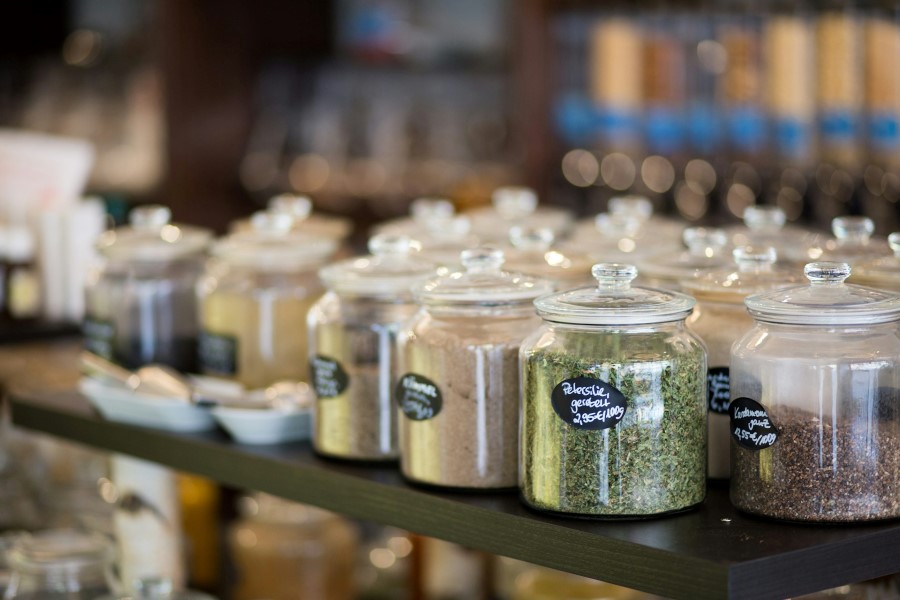
To learn the best practices for storing kratom properly, it helps to understand some of the factors that cause kratom to lose its freshness. As we previously mentioned, time is one of the biggest factors in potency degradation. Even with proper storage, kratom will eventually become stale because it’s a natural product. However, other elements affect the longevity of kratom. If you account for these factors when storing your powders and capsules, it will help extend the life of your kratom for as long as possible.- First, always store your kratom in airtight containers. Airtight bags, Tupperware, or glass containers like mason jars are excellent storage options. Exposure to oxygen in the air causes a chemical interaction with the alkaloids present in kratom. As the alkaloids oxidize, they convert into a less potent form, resulting in discoloration and weaker effects.
- Second, keep your kratom away from natural light. Cabinets or cupboards with solid doors are a strong choice for this. Even indoors, the UV light from the sun (and certain types of LED or MH light fixtures) can damage the chemical properties of your kratom. If you can’t store your kratom in a dark place for whatever reason, at least use an opaque container or dark-colored glass jars.
- Finally, pay attention to room temperature and humidity. Keep your kratom in a cool, dry location. Heat will cause the kratom to begin to break down, while excess moisture can lead to mold growth. If you accidentally get water in your kratom — for example, if you wash your hands and don’t dry them properly before scooping some powder — make sure you separate the wet part from the main batch before storing it away.