
The keto diet is a popular choice for many people trying to lose weight or improve their overall health. However, keto is very restrictive, and practitioners are limited to a specific list of foods and beverages they can consume. Items on this list are considered “keto-friendly.” So what about kratom?
If you’re on a keto diet and thinking about trying kratom — or if you’re a kratom user who’s thinking about going keto — you’re probably asking, “Is kratom keto?” The short answer is yes, but there are a few caveats.
Understanding the full answer to the question “is kratom keto?” requires a little unpacking about this unique diet. It’s also important to learn about the different ways people consume kratom, as this may affect its role in the keto diet.
As always, it’s recommended that you speak to your healthcare provider before beginning a new diet or taking new supplements. The keto diet may or may not be right for you. But if you’re keto or considering going keto, this article will help you discover how to incorporate kratom into your diet.
What is the Keto Diet?
Keto is short for ketogenic. It’s a low-carb, high-fat diet that’s similar to Atkins or other low-carb nutritional plans. When you follow a keto diet, your body enters a metabolic state known as ketosis. During ketosis, the body becomes so deprived of carbohydrates that it begins burning fat cells for energy. For many people, this results in weight loss.
Additionally, ketosis causes the liver to process fat differently. Instead of directing our bodies to store the fat cells, a liver in ketosis transforms them into ketones. Also known as “ketone bodies,” ketones are naturally occurring acids that may occur normally during sleep, high-intensity exercise, or periods of fasting. They supply energy to the brain and other vital organs.
Thanks to an increase in ketones, people on a keto diet often report higher energy levels, more mental clarity, and a greater sense of emotional well-being.
Researchers are still studying keto diets to understand their full potential. Along with obesity, low energy, and mental fog, some evidence suggests that keto may also help with the following conditions:
- Diabetes and insulin-resistance
- Epilepsy
- Cardiovascular disease
- Certain types of cancer
- Neurological diseases like Parkinson’s and Alzheimer’s
What Do You Eat on a Keto Diet?
Although a low-carb, high-fat diet is less restrictive than other diets, keto can still be challenging. There’s no limit to how many calories you can consume in a day, but individuals who follow keto must track where those calories come from and stay within a certain range for fat, protein, and carbs.
To enter ketosis, experts suggest that dieters aim for:
- 70-75% of daily calories from fat
- 15-20% of daily calories from protein
- 5-10% of daily calories from carbohydrates
This allows for most meats, dairy products, eggs, nuts, low-starch vegetables, high-fat fruits like avocado, and certain berries. It eliminates most grains, beans, fruit, starchy vegetables like potatoes and corn, and most processed foods.
Keto-friendly beverages include water, coffee, tea, low-sugar juices like celery juice, sparkling water, or low-carb beverages made with artificial sweeteners. If you drink alcohol, you’ll want to avoid beer, wine, and sugary cocktails, but spirits and hard seltzers are permitted due to their low-carb content.
While many diets allow for an occasional “cheat day,” people on keto can’t sneak an occasional cookie or bag of chips because it will throw their body out of ketosis, and they’ll have to start all over. However, due to the keto diet’s popularity, many brands now offer keto-friendly snacks and desserts. Many sugar-free specialty foods are also keto-approved.
As for vitamins and nutritional supplements, most are keto-friendly as long as they keep your carb intake within the recommended threshold. This brings us to the question of the day…
Is Kratom Keto?
Kratom doesn’t have any fat or protein, but it’s naturally low-carb and low-calorie. In fact, the nutritional composition of kratom is closer to an herbal supplement than a “true” food. A 2-gram serving of kratom is approximately 7.4 calories — and most of these calories come from insoluble fiber, which our bodies will expel after digestion.
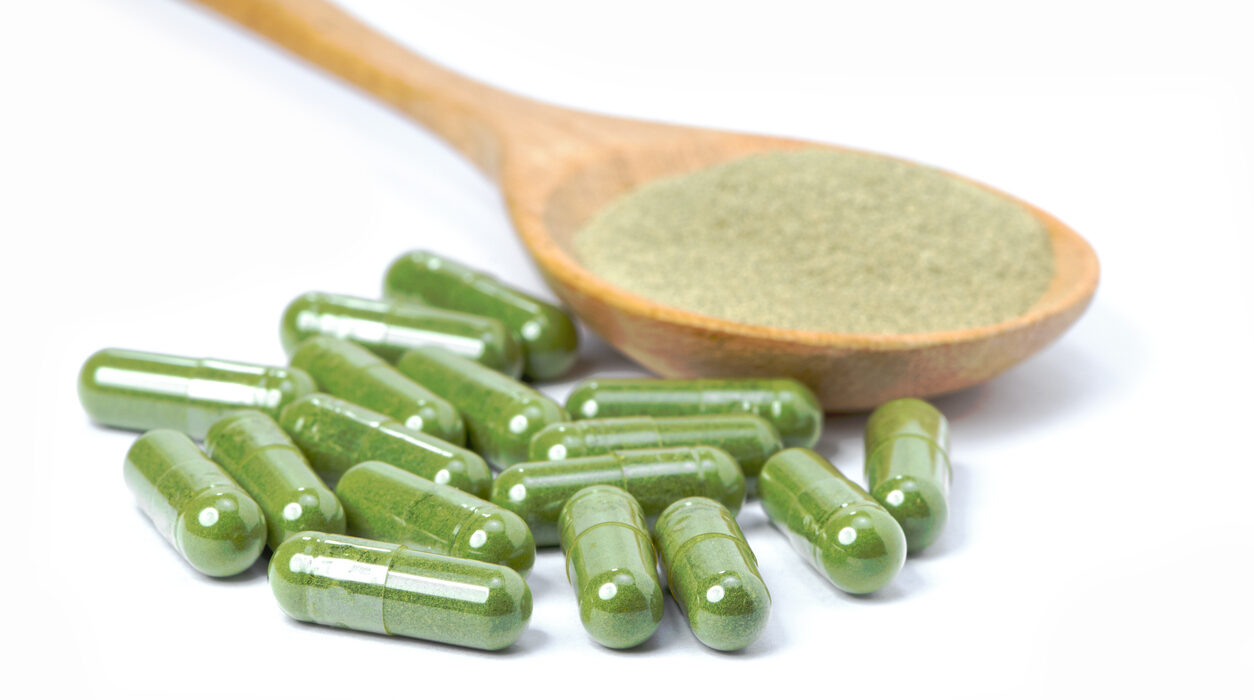
This means that, yes, kratom is keto-friendly! However, it depends on the method of preparation and consumption. If you are taking raw kratom powder or capsules, you’ll be able to stick to the keto rules. Kratom tinctures and extracts are also keto-approved as long as they don’t contain added sugars or other ingredients that may boost the carbohydrate content.
But if you’re consuming kratom in a food or drink recipe, it may not be keto, depending on the additional ingredients. For example, plain kratom tea would be keto, but a kratom smoothie made with bananas and mangos would not.
Additionally, if you are enjoying kratom capsules or powder with another beverage, you’ll want to stick with water or other low-carb beverages and avoid sugary juices.
The Best Kratom for Your Keto Diet
So, is kratom keto? It is! As long as it’s consumed without additional high-carb ingredients, kratom users who are following a keto diet can still enjoy the good vibes of this pleasant plant.
Whether you’re keto or not, you’ll find the best kratom on the market at Kratom Gecko. Shop now!