
When it comes to natural remedies and superfoods, two green powders stand out in the modern landscape of the health and wellness world: kratom and matcha! Both have been used for centuries and offer a variety of benefits. However, they come from different plants and serve a multitude of different purposes.
So let’s jump right into the world of kratom vs. matcha. In this article, we’ll explore their many major benefits, uses, similarities, and differences. Whether you’re looking to jazz up your morning smoothie or give an extra wellness boost to your lattes, kratom and matcha both have a lot to offer.
What is Kratom?
Kratom, scientifically known as Mitragyna speciosa, is a tropical tree that is closely related to the coffee plant. It’s native to Southeast Asia, particularly Thailand, Malaysia, Indonesia, and Papua New Guinea. The leaves of the kratom tree have been used traditionally for generations thanks to their wellness-enhancing benefits. Kratom leaves are rich in natural compounds called alkaloids, which stimulate the opioid receptors in the brain and induce a variety of pleasant effects. For a more in-depth primer on kratom, you’ll definitely want to check out our kratom guide for newbies.
Potential Benefits and Uses of Kratom
- Energy and Focus: In low doses, many strains of kratom are reported to increase energy levels. In Southeast Asia, laborers have traditionally chewed kratom leaves to combat the fatigue of hard physical labor.
- Mood Enhancement: Kratom is also said to produce effects that promote an overall sense of heightened well-being. This may improve mood, help you feel more balanced, and allow you to unwind after a long day.
- Productivity Boost: Certain strains of kratom, at particular doses, may also help to increase your focus and give you a much-needed “punch-up” in productivity.
What is Matcha?
Are matcha and kratom related? Although they may look similar and both have Eastern roots, the answer is no. Matcha is made from green tea leaves, which are ground into a fine powder. Records show that matcha originated in China almost 2,000 years ago. In the 12th century, a traveling Buddhist monk introduced it to Japan, where most of the world’s matcha is still produced to this day.
After being abandoned by the Chinese Ming Dynasty during a ban on “caked teas” in the late 1300s, matcha continued to evolve. Ultimately, it developed the distinctive bright green coloring that it is known for today. Made from shade-grown tea leaves of the Camellia sinensis plant, matcha continues to be a staple of Japanese culture.
Benefits and Uses of Matcha:
- Rich in Antioxidants: Matcha is loaded with antioxidant catechins, particularly EGCG (epigallocatechin gallate), which help fight free radicals in the body. By helping to prevent cell damage in the body, these antioxidants may reduce the risk of certain chronic illnesses and diseases.
- Calm Alertness: Although matcha contains caffeine, it delivers a “smoother” buzz than coffee or energy drinks. Thanks to L-theanine, one of the amino acids found in matcha, it promotes a state of calm alertness without the jitters or crash commonly associated with caffeine alone.
- Boosts Metabolism: Matcha may enhance metabolism and fat burning, making it a popular choice for supporting weight loss alongside a healthy diet and exercise routine.
- Detoxification: The chlorophyll in matcha may help detoxify the body by removing harmful toxins and heavy metals.
- Improves Concentration: For those who struggle to focus or complete tasks, the combination of caffeine and L-theanine in matcha has been demonstrated to enhance cognitive function and improve concentration.
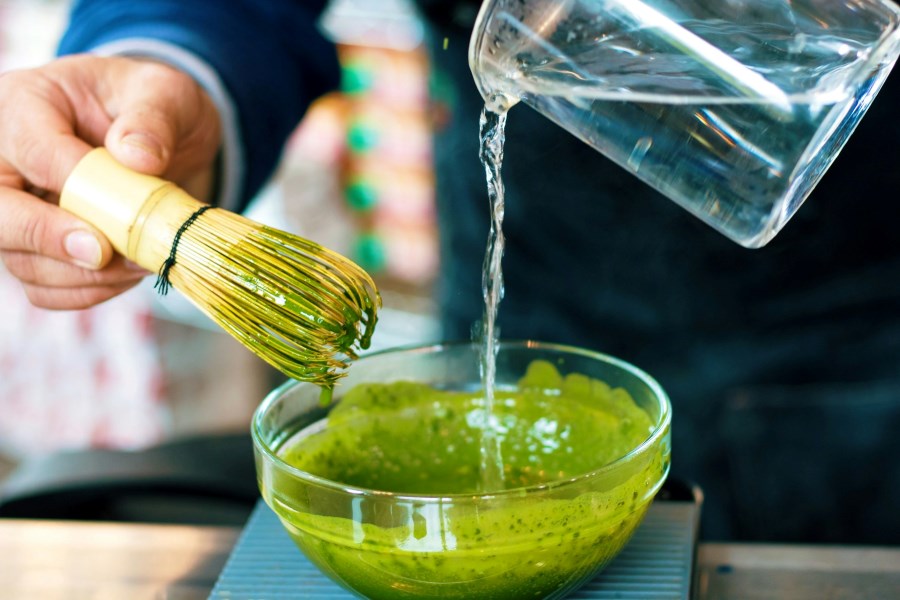
- Simple Preparation: Lastly, one of the greatest benefits of matcha is that it is incredibly easy to prepare and enjoy! Just sift a few teaspoons into a cup, add hot water, and whisk it all together. You’ll be ready to begin sipping in seconds.
As tea, matcha has been enjoyed as both a regular tea and in a ceremonial fashion, such as in the beautifully zen chanoyu ceremony, for centuries. In more recent years, matcha is often added to smoothies and lattes for the added health benefits and contributing to a more unique flavor.
In addition to the usual matcha teas and other drinks, it’s used in a variety of recipes like cookies, cakes, and Japanese mochi. It’s also added to savory dishes like matcha and mushroom soup and matcha roast chicken. Try experimenting with matcha powder to give a nutritional boost to your favorite desserts and dishes.
Similarities Between Kratom and Matcha
- Humble Natural Origins: Both kratom and matcha come from plants and have been used for centuries in their respective cultures.
- Easy-to-Use Powder Form: Both are commonly consumed in powdered form, making them easy to incorporate into various beverages and recipes.
- Energy Boost: Both can provide an energy boost, though kratom’s effects are more akin to a stimulant at low doses, while matcha offers a more sustained, calm alertness.
- Health Benefits: Each has a range of health benefits, from enhancing wellness and increasing mental focus and acuity (kratom) to antioxidant protection (matcha).
Differences Between Kratom and Matcha
- Sources: While both originate from Asian plants, kratom comes from the leaves of the Mitragyna speciosa tree, while matcha is made from the green tea leaves of the Camellia sinensis plant.
- Effects: Kratom’s effects range from energizing to grounding, depending on the dose, whereas matcha provides a steady energy boost and promotes relaxation without sedation.
- Legal Status: Kratom’s legality varies by region and has been somewhat controversial over the last few years. Matcha, on the other hand, is widely accepted and legally available. To better understand kratom’s legality in the United States, make sure to check out our state-by-state guide to kratom legality.
- Usage: Kratom is primarily used for increasing productivity, winding down at night, or overall mood enhancement. Matcha is used for its antioxidant properties, metabolic boost, and cognitive enhancement.
Kratom vs. Matcha: The Final Score
Both kratom and matcha offer a number of unique benefits. Each supplement has its own place in the world of wellness and natural health remedies. Kratom is a powerful tool for mood enhancement as well as increasing productivity, while matcha provides a gentle energy boost and a myriad of benefits thanks to its antioxidants. Whether you’re looking to improve your focus, or simply enjoy a delicious and healthy beverage, both kratom and matcha have something to offer.
Before incorporating kratom or matcha into your health and wellness routine, it’s important to do your research and consult with a healthcare professional. Enjoy exploring these wonderful plants, and find what works best for your journey! When you’re ready to try the best kratom to pair with your favorite matcha, shop Kratom Gecko.