
Kratom may be pretty new to the U.S. and other Western countries, but it has a long and illustrious history in Eastern culture. Originating from Southeast Asia, kratom has been used in herbal remedies and natural medicines for centuries. Teas and powders made from the leaves of the kratom tree have been prized by workers to stave off fatigue, reduce pain, and boost moods.
We’re just starting to explore the benefits of kratom in the U.S. It’s important to note that kratom has not been approved by the FDA or other U.S. agencies for medicinal purposes, although Western scientists are currently studying whether kratom might be a safe and effective alternative for treating chronic pain, opioid addiction, and other conditions.
Here, we’re taking a look at kratom in Eastern medicine, how it’s been used in traditional Southeast Asian culture, and how that culture continues today. To see what Kratom Gecko has to offer, check out our variety of kratom strains and products.
Where Does Kratom Come From?
Kratom is an evergreen tree that grows in Southeast Asia. It’s actually in the same plant family as the coffee tree. For hundreds of years, indigenous cultures have consumed the leaves of the kratom tree for its stimulating and pain-relieving effects.
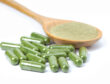
Up to and including in the modern day, people make kratom tea, chew kratom leaves, and make a variety of products using powder made from crushed kratom leaves. Kratom started gaining popularity in the U.S. in the 2010s, but it’s been used in countries like Bali, Malaysia, Thailand, and Indonesia for generations.
Traditional Uses for Kratom in Eastern Medicine
Across Southeast Asia, including Thailand, Bali, Malaysia, Indonesia, and Papua New Guinea, kratom is an ingrained part of the history. It’s been used in traditional medicine for a variety of purposes, including:
- Pain relief
- Boost energy and reduce fatigue
- Increase focus
- Mood enhancement
- Improve sociability
- Alleviate digestive issues
- Addiction treatment
It was especially common for farmers and other manual laborers in Thailand, Malaysia, and elsewhere to use kratom leaves to combat fatigue and improve productivity. After hours of working in the hot sun, exhaustion can set in, and kratom was a natural supplement that could reinvigorate workers, reducing muscle fatigue and improving their overall mood.
On top of its energy-boosting effects, kratom was also used as an herbal remedy for diarrhea and chronic pain.
Kratom also carries cultural weight in various parts of Southeast Asia. Kratom plays a ceremonial role in social situations as well as in rituals and ceremonies, religious ceremonies, and rites of passage.
Kratom in the Modern World
Kratom continues to be a part of traditional medicine in many parts of Southeast Asia. Eastern cultures continue to prize the effectiveness and holistic nature of natural herbal remedies, even as Western cultures focus on conventional pharmaceuticals.
Kratom’s primary active alkaloids, mitragynine and 7-hydroxymitragynine, have been found to have analgesic properties, useful in both acute and chronic pain treatment. As a pain reliever, kratom is especially helpful in more rural and isolated parts of Southeast Asia, where access to modern medicine is more limited.
Modern cultures also continue to value kratom’s stimulating effects, helping to increase energy levels and combat fatigue. Workers with physically-demanding jobs or tasks continue to chew leaves, brew them into tea, or consume powdered leaves to boost stamina and productivity. In places like Malaysia, many people drink kratom recreationally, much like coffee or tea.
In some circles, kratom has been used as a traditional remedy for opioid withdrawal. In regions where opioid addiction is more common, kratom has been used as a natural alternative to manage cravings and withdrawal symptoms like irritability, aches and pains, cravings, itchiness, and fatigue. Western scientists are currently conducting research into kratom’s use in addiction and withdrawal treatment, weighing the benefits of kratom use against possible side effects.
In traditional medicine, kratom has also been used to treat diarrhea and other digestive issues. Many communities have found that, when used in moderation, kratom may help promote gastrointestinal health.
As a mood elevator, kratom has been used to treat depression and anxiety. Many people report feeling more social, talkative, and positive overall while taking kratom, and modern scientists are looking into whether kratom is an effective, natural alternative to prescription pharmaceuticals.
Kratom is becoming more popular in the U.S. and across the Western world, mainly in the form of powdered kratom leaves and extracts. In moderate doses, people enjoy the stimulating effects and more social vibes, while in higher doses, kratom can act more like a sedative. If you’re interested in what kratom has to offer, make sure to do your own research and listen to your body to find the best kratom products for you!
Explore Kratom For Yourself With Kratom Gecko
The folks at Kratom Gecko are all about bringing the wisdom and tranquility of traditional medicine to the modern world. We think the Western world should enjoy what Easterners have known for centuries–herbal remedies and traditional medicine can be a wonderful, all-natural alternative to the modern overuse of pharmaceutical solutions.
Even if you’re in it just for fun, we have plenty of safe, high-quality, and natural kratom products available. Head over to our online shop and see for yourself.