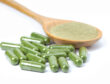


Kratom is a natural herbal supplement derived from the leaves of the Mitragyna speciosa tree. It’s native to Southeast Asia, where indigenous people have used it for centuries in traditional medicine. As such, its benefits and uses are often compared to other herbal remedies. So how does kratom stack up against other herbs?
In this post, we’ll explore how kratom performs relative to other natural remedies. We’ll also compare common uses for kratom with common uses for different herbs. Finally, we’ll discuss how kratom can be combined with other botanical remedies to boost your wellness.
Traditional Uses of Kratom
Kratom has a rich history in Southeast Asia, particularly in Thailand, Indonesia, Malaysia, and Myanmar. Traditionally, laborers and farmers chewed kratom leaves or brewed them into tea to combat fatigue and enhance productivity. Indigenous healers relied on kratom as a remedy for various physical ailments. It was also used in social and religious ceremonies.
Benefits and Uses of Kratom
Although more research is needed, kratom shows tremendous potential benefits. Many kratom users report that it helps with the following:
- Supporting Physical Comfort: Kratom contains alkaloids, such as mitragynine and 7-hydroxymitragynine, which interact with key receptors in the brain. This produces a soothing effect that may enhance a person’s sense of physical comfort.
- Energy and Focus: In smaller doses, kratom has been said to boost energy levels and improve focus. This makes it a popular choice for those looking to enhance productivity and concentration.
- Mood Enhancement: Kratom may also produce an overall sense of enhanced well-being, helping to lift one’s mood and unwind. This is because it interacts with the brain’s serotonin and dopamine receptors.
Comparing Kratom to Other Herbal Remedies
Kratom vs. Turmeric
Turmeric is another traditional herbal remedy known for its anti-inflammatory benefits and antioxidant properties, thanks to its active compound, curcumin. It is known to be effective in reducing inflammation and pain, particularly in conditions like arthritis.
Use Together: Combining kratom with turmeric can provide comprehensive relief from discomfort and anti-inflammatory benefits, leveraging the strengths of both herbs.
Kratom vs. Valerian Root
With a history as a traditional medicine dating back to Greek and Roman times, valerian root is now commonly used for its sedative effects. It may help improve sleep, combat insomnia, and reduce anxiety. While kratom may also help you feel grounded at higher doses, it is more versatile than valerian root. Unlike valerian root, kratom can also be energizing, depending on the dosage.
Use Together: Valerian root can be used with kratom to help you unwind in the evenings and enhance sleep quality. When you take kratom before bed, you can induce a more serene state to initiate your sleep process. Valerian root will support this and help you slumber more soundly.
Kratom vs. Ginseng
Ginseng is well-known for its ability to boost energy, improve cognitive function, and enhance overall well-being. Similar to kratom’s effects at lower doses, ginseng can enhance physical and mental performance.
Studies have also shown that ginseng may be an effective alternative for treating erectile dysfunction. Ginseng works by protecting the brain and stimulating the release of acetylcholine, which is associated with learning and memory.
Use Together: Ginseng and kratom can be combined for an extra energy boost and improved cognitive function, especially useful for long workdays or intense study sessions. It’s a great combination for focus and concentration.
Kratom vs. St. John’s Wort
St. John’s Wort is primarily used as a natural antidepressant. It is known for its ability to improve mood and alleviate symptoms of depression. Additionally, St. John’s Wort is used as a natural remedy for conditions like premenstrual syndrome, menopause, OCD, and more. This herb works by increasing the levels of neurotransmitters like serotonin.
How does it compare to kratom? Like many of the herbal supplements in this blog, the difference lies in the way our bodies metabolize them. Kratom also has mood-enhancing properties similar to St. John’s Wort, but its active ingredients are alkaloids that trigger the brain’s opioid receptors.
Use Together: Combining St. John’s Wort with kratom can help you improve your overall sense of well-being, though it’s important to monitor for any potential interactions.
Using Kratom with Other Herbal Remedies
Kratom can be used in conjunction with other herbal remedies to enhance or balance its effects. This provides a more comprehensive approach to health and wellness. Here are some additional combinations and their potential benefits:
- Kratom and Ashwagandha: If you’ve never heard of Ashwagandha, this evergreen shrub is part of the nightshade family. It’s an adaptogen known for reducing stress and anxiety. (An adaptogen is a plant that helps the human body cope with stress.) When combined with kratom, it may help users feel more balanced.
- Kratom and Chamomile: Chamomile is known for its calming effects. It can be used with kratom to enhance relaxation and improve sleep quality.
- Kratom and Ginger: Ginger is widely used to alleviate nausea. If you experience nausea as a side-effect of using kratom, try ginger tea or shots of ginger juice. Ginger also has anti-inflammatory properties that can complement kratom’s comfort-inducing benefits.
Potential Risks and Considerations
While kratom has a multitude of benefits, it’s important to be aware of the potential side effects, both of kratom alone, as well as in combination with any other herbal supplements. Always use kratom responsibly.
If you’re new to kratom, or trying new kratom products, start with the lowest possible dose. Let your body adjust before you increase. It’s also recommended to consult with a healthcare professional, especially when you are first starting off on a new health and wellness regimen.
Consider Adding Kratom to Your Wellness
Kratom stands out among traditional herbal remedies for its unique combination of effects, as well as its potent mood-enhancing properties. Compared to other herbs like turmeric, valerian root, ginseng, and St. John’s Wort, kratom offers a versatile and effective option. Adding kratom to these natural remedies may help users enhance mood, improve focus, and feel better overall.
Combining kratom with supplements lets you tailor your approach to health and wellness. Together, kratom and herbal remedies may help you achieve your lifestyle goals. Ready to give it a try? Check out Kratom Gecko for the highest-quality kratom powders and capsules.