
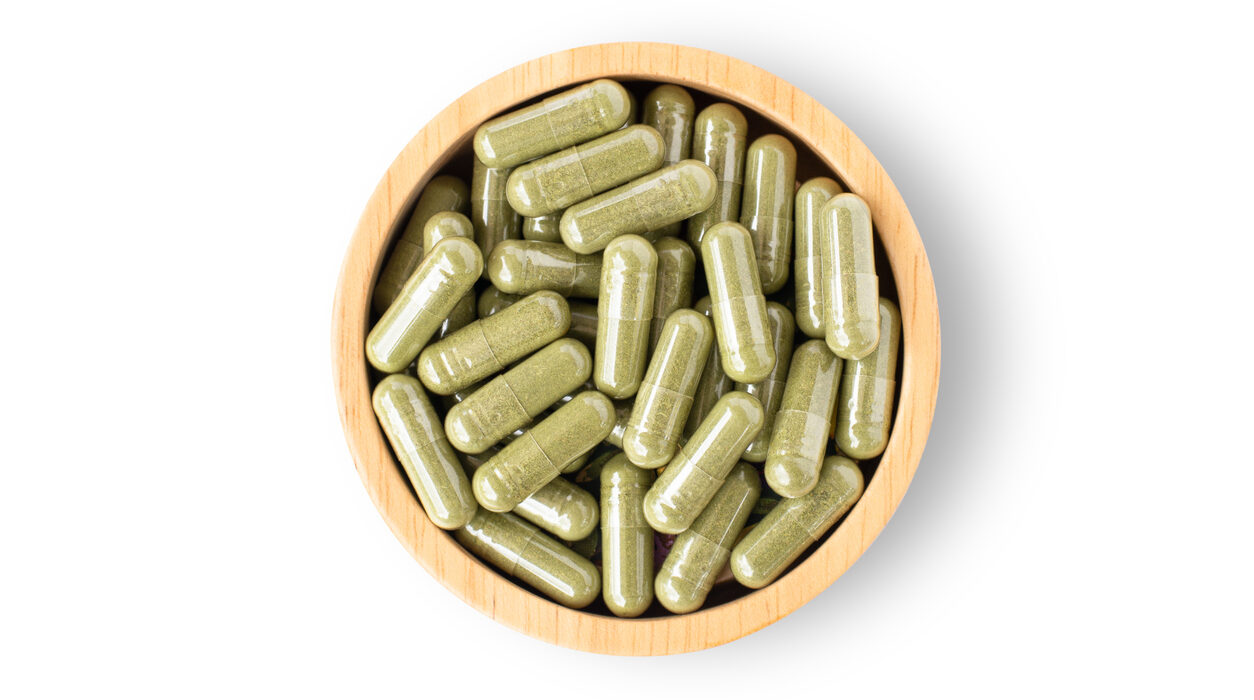

Over the last decade, kratom has taken the U.S. by storm. With roots in Southeast Asian medicine and herbal remedies, kratom has been enjoyed for a host of reported benefits like increased energy, extra focus, and pain management. If you’re just starting your kratom journey, however, it’s important to know what to expect.
There’s a lot of information–and misinformation–out there about kratom side effects. Like anything else, it’s important to do your own research to understand the benefits, side effects, and risks. At Kratom Gecko, we want our customers to explore their kratom journey with eyes wide open. Read on to learn about the side effects of kratom, and make sure to consult with your own trusted medical professionals if you have any concerns.
Where Does Kratom Come From?
Kratom products are made from the leaves of an evergreen tree native to Southeast Asia, known as Mitragyna speciosa, a member of the coffee plant family. Kratom leaves have two primary active alkaloids, mitragynine and 7-hydroxymitragynine, which are the naturally-occurring chemical substances that give kratom its effects. In countries like Bali, Indonesia, and Thailand, kratom has been used in herbal remedies and natural medicines for centuries.
Kratom started to become popular in the U.S. in the 2010s. Kratom has not been approved for any medicinal purpose by the FDA. There are studies currently underway working to determine what medical benefits kratom might provide as well as the risks.
What Are the Primary Effects of Kratom?
People can experience different effects of kratom depending upon the dosage, the strain, and their own physiology (body composition, experience using kratom, etc.). In general, though, kratom is believed to have a stimulating effect.
Folks who take kratom report having more energy, less fatigue, and increased alertness. Many people online have also said they feel more talkative and sociable and have an improved overall attitude when taking kratom. At increased doses, kratom may produce calming, mood-enhancing, or euphoric sensations. It has also been traditionally utilized as a natural option for pain management.
Different strains of kratom can also affect people differently. For example, red vein kratom is known to have more of a sedative effect, while white vein kratom can give people a stronger energy boost.
Kratom’s Potential Side Effects
There’s a lot of research going on right now to determine the potential benefits and the potential risks of kratom—some users report that kratom provides pain relief. Scientists are conducting studies to determine whether kratom is a safe treatment for withdrawal symptoms for people with an addiction to opioids like oxycodone, heroin, or morphine.
Studies about kratom side effects have had mixed results. While most people report having no real adverse effects, some do. People who do report negative side effects also tend to take other recreational drugs or may have consumed contaminated kratom, which can make it hard to nail down the actual cause of certain symptoms.
According to health officials, possible kratom side effects include weight loss, dry mouth, chills, nausea and vomiting, increased urination, constipation, muscle pain, and liver damage, as well as neurological effects such as trouble sleeping and mood changes. Kratom can also have adverse effects when taken along with prescription or recreational drugs.
Is Kratom Habit Forming?
Some research has found that significant regular kratom use can lead to dependence. Officials like the European Monitoring Centre for Drugs and Drug Addiction note that in cases of kratom dependence, withdrawal symptoms are “relatively mild and typically diminish within a week.” These symptoms may include “[c]raving, weakness and lethargy, anxiety, restlessness, rhinorrhea, myalgia, nausea, sweating, muscle pain, jerky movements of the limbs, tremor as well as sleep disturbances and hallucination.”
How to Take Kratom Safely
To make sure you have the best kratom experience, the most important thing is to use discretion and listen to your body. If you are new to kratom, start with low doses and less potent strains. If you are comfortable with how your body reacts to kratom, then you can start experimenting with higher doses or more potent strains.
It’s also key to get your kratom from trusted sources. In many states, the kratom industry is pretty much unregulated; some untrustworthy suppliers may include unsafe additives and other compounds that can be more dangerous for customers. Check to see if your kratom supplier follows state regulations or is certified by the American Kratom Association for adhering to their Good Manufacturing Practices.
Kratom, like anything else, should be used in moderation. Keep in tune with your own body, and discuss any concerns with trusted healthcare professionals. If you experience any withdrawal symptoms or other worrying kratom side effects, see a doctor immediately.
Get All the Info You Need at Kratom Gecko
Millions of people around the country enjoy kratom every day, but the most important thing is to listen to your body and do what’s best for you. At Kratom Gecko, we’re all about giving our customers the information they need to make informed choices–and providing them the freshest, safest kratom products.
Follow Kratom Gecko’s blog for kratom info, news, and tips, or contact us directly. We’re happy to answer any questions or address any concerns you might have about our products or about kratom in general. Head over to our online shop to check out what Kratom Gecko has to offer.