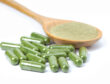

Kratom (Mitragyna speciosa) is a unique plant used for centuries in Southeast Asia. In more recent years, it’s gained popularity worldwide. If you’re a new kratom consumer or someone who’s just stocking up on different strains, it’s important to know how long your kratom will last and how to store it properly. Improper storage can diminish its potency or even cause your kratom to spoil.
In this guide, we’ll walk you through everything you need to know about the shelf life of kratom, from how to tell if it’s gone bad to tips for storing kratom to make it last longer. We’ll also discuss the potential risks of using kratom that has lost its freshness.
How Long Does Kratom Last?
Kratom can maintain its potency and freshness for a long time if stored properly. Several factors affect how long it stays fresh, including how it’s harvested, dried, and packaged, as well as environmental conditions such as humidity, temperature, and light exposure.
Most users find that kratom is at its best within the first year. After that, its alkaloid content (the compounds responsible for kratom’s effects) starts to degrade. The good news is that even if kratom has aged a bit, you can still consume it. It just may not be as effective as it once was.
Why Does Kratom Expire?
The alkaloids in kratom, like mitragynine and 7-hydroxymitragynine, are sensitive to their environment. Over time, exposure to oxygen, moisture, and sunlight can break down these compounds, diminishing the potency of the kratom. If not stored properly, kratom can also absorb moisture from the air, which could lead to mold growth or other issues.
While kratom that has passed its prime may not necessarily pose serious health risks, there are potential downsides to consuming kratom that has deteriorated in quality or gone bad.
How Can You Tell if Kratom Has Gone Bad?
It’s not always obvious when kratom has gone bad, especially because it doesn’t “rot” in the traditional sense like fresh fruits or vegetables would. However, there are several indicators that your kratom is no longer fresh and might be losing its potency.
Changes in Color
Fresh kratom powder typically has a greenish hue, though the exact shade can vary depending on the strain. For example, green vein kratom is often a vibrant green, while red vein kratom may have a more earthy red tint. If your kratom has become a dull brown or gray, it’s likely past its prime.
Weird Smell
Kratom should have a pleasantly earthy yet slightly bitter smell. If it starts to smell “off”—whether that’s musty, sour, or moldy—that’s a red flag. An unusual smell might indicate that the kratom has absorbed moisture and could be contaminated with mold or bacteria.
Clumping
Clumps in kratom powder can indicate that it has absorbed moisture. While a few small clumps may not be a big deal, larger, harder clumps are a sign that your kratom might be spoiled. The moisture that causes clumps can also lead to mold growth, so always check carefully for any clumping that feels unnatural.
Poor Performance
If you notice that your usual dose isn’t providing the same effects, it may be a sign that the alkaloids in the kratom have degraded. This loss of potency is one of the most common ways to tell that kratom has started to expire.
Visible Mold
Just like with other botanicals and supplements, it’s possible for kratom to develop mold if it’s been exposed to high humidity or wasn’t dried properly before being packaged. If you see fuzzy spots, white or black patches, or anything resembling mold, do not use it. Moldy kratom could lead to health problems.
How to Extend Kratom Shelf Life
The good news is that you can take steps to extend the shelf life of your kratom by storing it properly. Here are some tips to help ensure your kratom stays fresh and potent for as long as possible:
Store in an Airtight Container
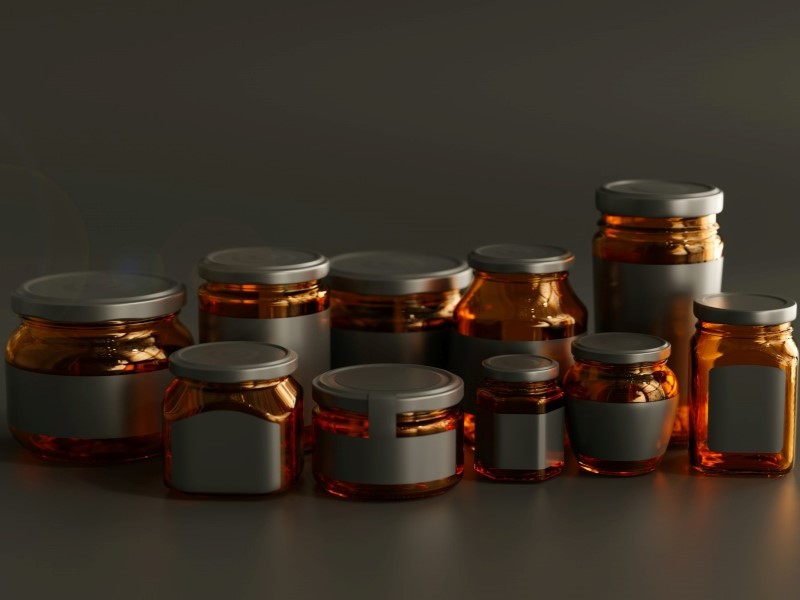
Oxygen is one of the biggest enemies of kratom’s potency. To protect your supply, always store it in an airtight container. Glass jars with tight-fitting lids are ideal, but food-grade plastic containers or resealable bags can also work as long as they provide a good seal.
Keep It in a Cool, Dry Place
Heat and humidity can cause kratom to break down and even grow mold. Store your kratom in a cool, dry place away from direct sunlight. A pantry, cupboard, or a drawer in a climate-controlled room is a good choice.
Avoid storing kratom near heat sources like ovens, heaters, or windows that receive a lot of sunlight, as high temperatures can accelerate the breakdown of the alkaloids.
Avoid Moisture
Moisture is a major factor in the spoilage of kratom. Always make sure your hands are dry before handling it, and avoid exposing your kratom to steam or humidity. Some people even use silica gel packets in their kratom containers to absorb any excess moisture, which can help prolong the freshness.
Freeze Your Kratom
If you’re planning to store kratom for an extended period, consider freezing it. Although some kratom enthusiasts still debate the efficacy of this method, freezing may slow down the degradation of alkaloids and keep your kratom potent for much longer. Be sure to use an airtight, freezer-safe container to prevent freezer burn or moisture absorption.
Store in Small Batches
Instead of keeping all your kratom in one large container, split it into smaller batches. This reduces the amount of exposure each time you open the container and helps maintain the freshness of the kratom. Only open one batch at a time while keeping the rest sealed tightly.
What Are the Risks of Using Kratom That Has Gone Bad?
So what happens if you accidentally use kratom that’s past its prime? While it’s not likely to be dangerous, it can lead to a less-than-ideal experience.
Reduced Potency
As mentioned earlier, expired kratom will be less potent. You might need to increase your dose to achieve the same effects, which can be frustrating. You may need to buy more kratom because you’re not getting the same “bang for your buck.”
Mold or Bacterial Contamination
The most significant risk of consuming kratom that has been exposed to moisture is mold or bacterial contamination. Mold exposure can cause respiratory issues, allergic reactions, or even infections in people with compromised immune systems. While rare, this is a serious concern and a good reason to avoid using kratom that shows signs of mold.
Digestive Discomfort
If kratom has begun to break down, you might experience stomach discomfort or nausea after consuming it. The chemical changes that occur in degraded kratom could irritate your digestive system, leading to unpleasant side effects.
Keep Your Kratom Fresh
Like all-natural products, kratom has a shelf life. By properly storing it in airtight containers keeping it in a cool and dry place (or potentially freezing it!), you can extend its freshness and potency.
Remember to always check for signs of spoilage, like changes in color, smell, or texture. Avoid using kratom that you suspect has gone bad. Being mindful of how you store your kratom will not only ensure you get the most out of it but also help you avoid any potential risks associated with mold or contamination.
Has your kratom supply lost its potency? Restock at Kratom Gecko! Our premium powders and capsules are always 100% pure and fresh and shipped to you in airtight packaging to prevent storage problems. Shop now.